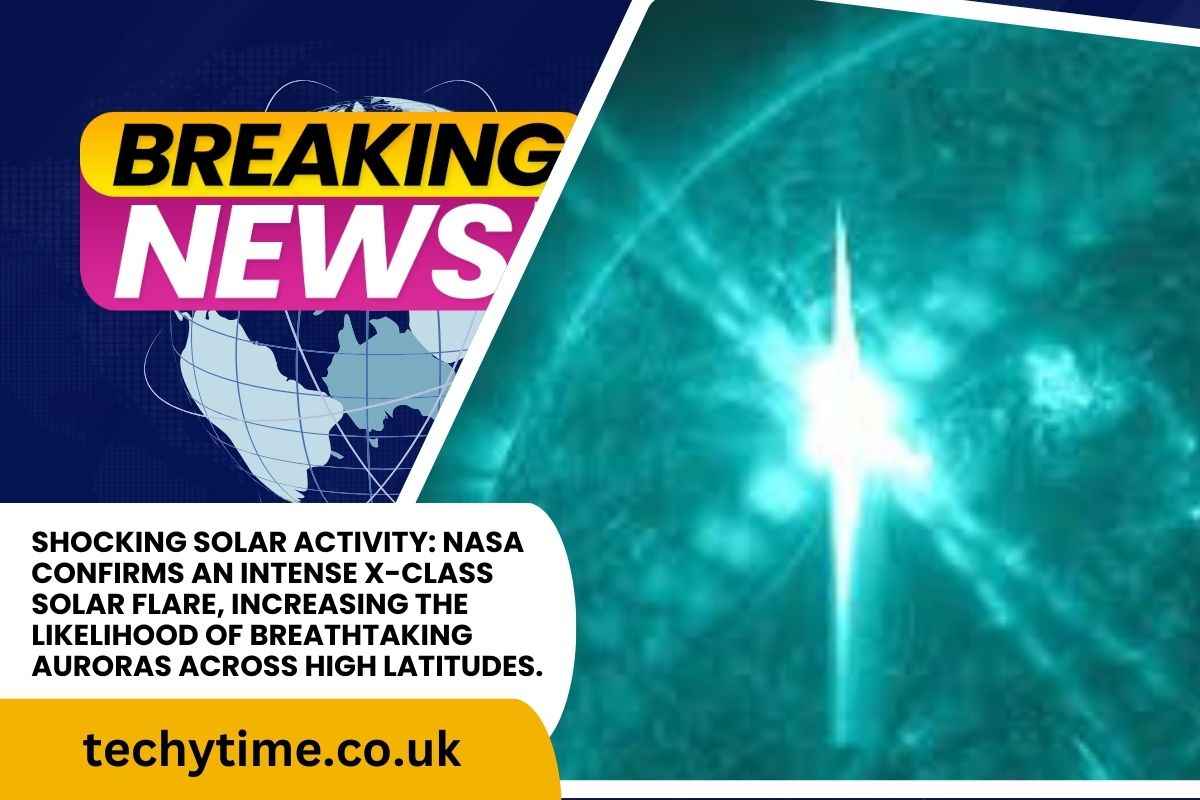

There is a buzz about the possibility of the Northern Lights or aurora borealis appearing in the UK skies this week, likely due to the most significant solar eruption of 2026. The phenomenon is a sequence of strong solar flares, with the greatest occurring in just two days.
NASA stated that three large flares occurred on February 1 and at different times of the day, with another one on February 2. These stunning heavenly spectacles are not spectacular, but also promise spectacular celestial events to the stargazers around the nation.
NASA space alerts confirmed that the strong flares started on Feb 1. “The Sun emitted a strong solar flare, peaking at 7:13 a.m. ET on Feb. 4,” NASA said in its latest alert.
It is estimated that this battery of solar material will hit the Earth in the near future, and this will cause the magnetic field of the Earth to shake, and the viewer may also get a glimpse of the magical lights in areas that would not have been visible.
Regions where the problem of light pollution is not so significant would have a clear advantage, and it will be the week when both lovers and casual viewers will enjoy one of the most magnificent natural phenomena.
Solar flares are the bursts of energy that are released by the Sun, and this is usually during times of increased solar activity. The new flares were of various strengths, and their strength was between X1 0 and an artillery X8.1.
Intense activity may affect space weather, which makes the conditions favourable to the increased visibility of the aurora. This magnetic storm is responsible for making spectacular light scenes that seem to be more spectacular than usual in more southerly latitudes.
It is necessary to learn the connection between solar activity and the Northern Lights as the solar cycle peaks these sparkling activities, and these are becoming more frequent in the low latitudes and the UK. The interaction between the solar winds and the magnetic field of the earth when the solar eruption is immense, creates the light fruits that dazzle the observers.
With solar activity taking its course, the UK has been identified to experience the best opportunity of seeing the aurora borealis as late as February 5 and up through February 8. The best viewing points are locations that are far distant from urban settings, especially in regions such as Scotland and Northern England. Monitor the weather conditions in the area because a sunny sky will be necessary to see an excellent view.
Subscribe to Updates
Get the latest creative news from FooBar about art, design and business.
NASA records a powerful X-class solar flare from the Sun, increasing the chances for vibrant auroras
 By Editor Adeel3 Mins Read