


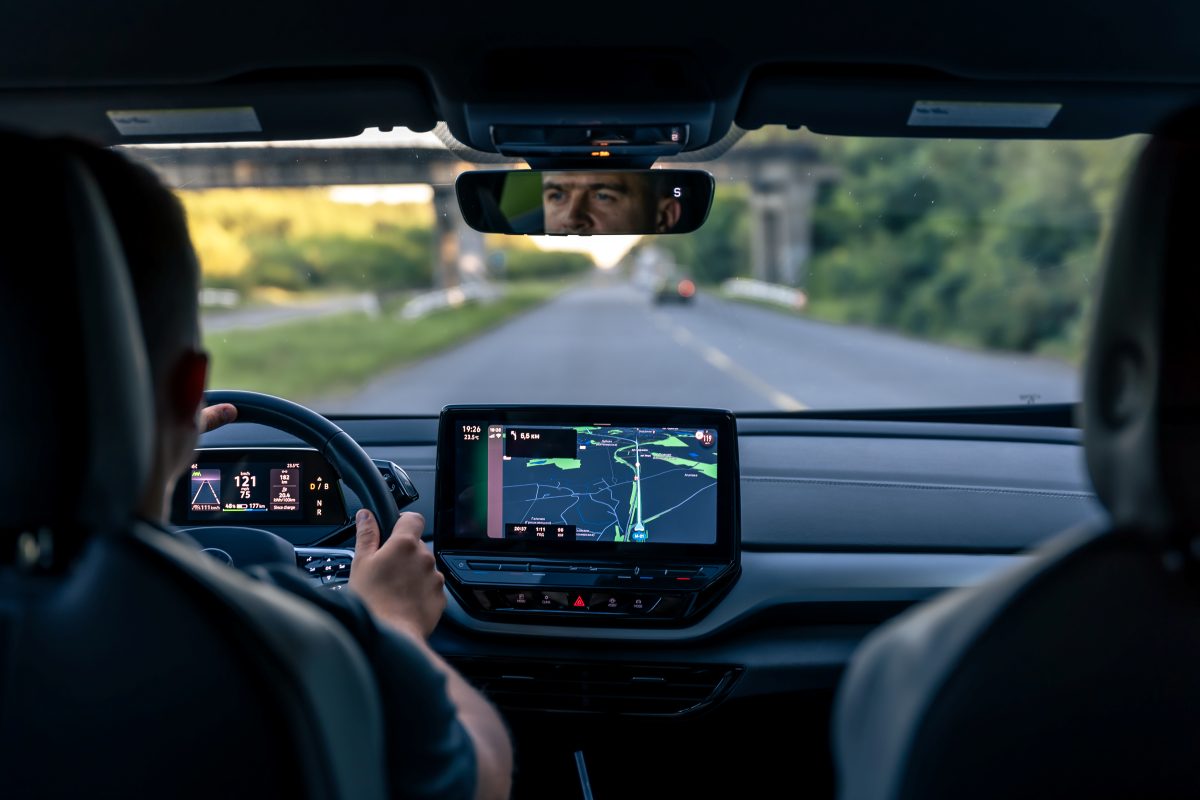
Self-driving cars are no longer a dream; they are here right now, running on real streets, using sensors, artificial intelligence, and cameras to make self-driving safe, stress-free, and fast.
From Tesla to Waymo, the autopilot collection offers fully autonomous rides. The automotive industry today is moving towards the future of smart mobility.
Still, one question comes to mind that how do you come to know which self-driving car is actually safe and reliable for you?
Just because a car can drive itself does not mean it is ready to handle all the scenarios; in those situations, rigorous testing comes into play.
In this guide, I have explored the top 10 tests that a self-driving car must undergo before being selected. Let’s buckle up and have a seamless ride by the autonomous vehicle testing.
Let’s get started.
Top 10 tests you must know before picking self-driving cars
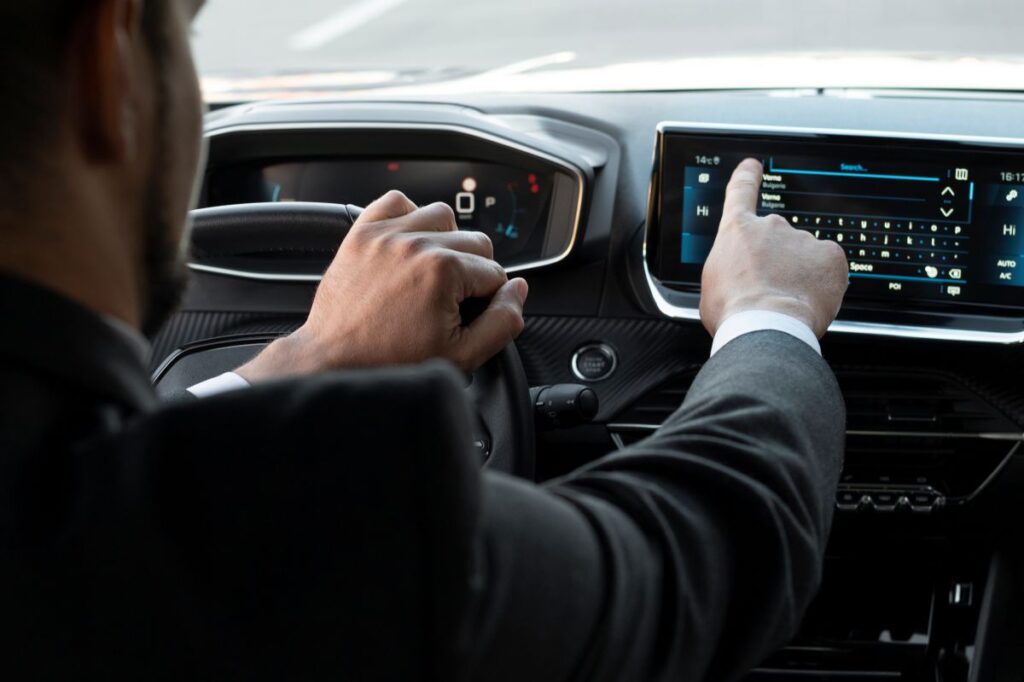
Before choosing the self-driving car for yourself, make sure that your car passes the following test:
1. Sensor alert and object detection test
One important test that a self-driving car must pass is seeing the world correctly. These cars depend on the sensor, Light Detection and Ranging, ultrasonic sensors, radars, and HD cameras to detect vehicles and pedestrians, and other major things.
What does this test check?
- Distance and depth accuracy identification.
- Object detection, like cars, bikes, and pedestrians.
- Also check for night and fog visibility.
- Lane as well as traffic sign identification.
- Identifying object movement.
- Pushes the vehical to identify the hundreds of real-world objects.
Why is it important?
It is important to check whether your car has passed industry-grade recongitions before trusting the self-driving car.
2. Decision-making and planning test
Once a self-driving vehical sees the object, then it has to think. This is where the decision-making test should be performed.
The test checks the AI brain that plans routes, identifies and reacts to obstacles, and predicts what other road users might do next.
What does this test check?
- Avoid collisions.
- Test for lane change behavior.
- Identifying pedestrian and driver actions.
- Test for multi-object interaction, like navigation around roundabouts.
- Route planning and traffic flow decision.
- Uses the simulations and real-world scenarios.
Why is it important?
This test checks for the vehical supports real-time mapping updates, especially if you drive in a city and fast-changing roads.
3. Real-world road test
Vehicles are tested in the controlled city zones or smart cities, which are equipped with sensors and a traffic system.
The test is about how this car interacts with complex traffic situations like turning, parking, merging, and giving way to pedestrians.
What does this test check?
- Performance of the self-driving vehical in live traffic situations.
- Test the behaviour around the pedestrians and cyclists.
- Check for route optimisation in the bustling cities.
- How does it react to human unpredictability?
Why is it important?
Human unpredictability can’t be replaced by any algorithm fully; still, a real-world road test can check whether the car’s AI can identify, learn, and stay safe itself in messy situations.
4. Weather and environmental test
Self-driving cars must undergo the weather and environment test. This test is performed to see how well autonomous cars operate in any weather and environmental conditions.
This test first simulates extreme weather in environments and then validates the results with real-world situations.
Environmental test undergoes the vehical through the extreme weather conditions to test the traction, durability, as well as software adaptability.
What does this test check?
- Sensor and camera performance under any extreme weather conditions.
- Tire grip and braking on the slippery roads.
- Check the visibility under the glare or low light,
- Adaptive behavior of the vehicles.
Why is it important?
You can’t say your car is truly autonomous unless it can handle extreme weather conditions as confidently as a well-trained driver.
5. Localisation and mapping test
Localisation and mapping test ensures that the car always knows exactly where it is, even when GPS signals fail, like in tunnels and dense cities.
What does this test check?
- Test high definition map accuracy.
- Check for GPS reliability.
- Test the landmark reconstructions.
- Reconnection in case the signal is lost.
- Updating the map and synchronising it.
Why is it important:
Without identifying the proper location, your self-driving car can drift off the road and make a wrong turn, so it is needed to check whether the vehical supports the real-time localisation and mapping updates.
6. Cyber security test
Self-driving vehicles are basically a computer on wheels, so hackers can target them easily. The cybersecurity test makes sure that the vehicle’s software system is safe from hacking, data theft, and malware.
The test checks everything from remote control sensitivity to software updates.
What does this test check?
- Check for secure data encryption.
- Test the remote system access restrictions.
- Check the clouds and the air security.
- sensitivity to wireless attacks
Why is it important?
If your car is advanced but it is handled by someone remotely, then the car is not worth so the cybersecurity testing ensures you about safety and data.
7. Obstacle avoidance test:
The self-driving vehicles must react instantly when animals suddenly appear, a child’s ball rolls, or a pedestrian comes near the path. The car responds instantly in those situations, just like a human driver, and overcomes those obstacles.
What does this test check?
- Response time to unexpected situations.
- Check the emergency braking system.
- Handling wet or icy situations.
- This test uses real-world obstacles as well as high-speed simulations.
Why is it important?
This test is performed to check that the self-driving car makes fraction-of-a-second decisions to save lives.
8. User safety test
User safety test performed to check how the drivers receive alerts, interact with the voice or touchscreen system, and override controls. This test makes sure that the interaction between the user and the machine is smooth and safe as well.
What does this test perform?
- The test checks the interaction of humans with the machine.
- Whether the passenger is comfortable or not.
- Does the car signal clearly with lights?
- Test to make sure about smooth coordination between man and self-driving vehical.
Why is it important?
Self-driving vehicles are not fully driverless, which means humans need to understand when and how they need to step in. Poor interaction between humans and machines can lead to accidental situations.
9. Road adaptability test
Driving in an urban area is completely different from navigating rural roads. The road adaptability test ensures that a self-driving car can handle rural as well as urban roads smoothly.
The self-driving cars must have adaptability to the road, whether it is a countryside road or a smooth road in the city.
What does this test check?
- This test is performed under urban traffic, like buses, cyclists, and roads that intersect.
- Test for high-speed merges and lane discipline.
- Rural routes like uneven terrain, poor GPS signals, as well as wildlife crossing.
Why is it important:
Self-driving vehicles need to adapt to the roads and learn and adapt to any driving environment dynamically.
10. Ethics and compliance test
Self-driving vehicles must undergo ethical testing and regulatory compliance, and AI must make moral decisions based on preset logics and an ethical framework.
What does this test check?
- Check for an ethical decision-making system.
- Bias and fairness in an AI system.
- Transparency and accountability system.
- Compliance with local traffic laws.
Why is it important?
Different countries adopt different ethical standards, forcing manufacturers to program a moral handling system accordingly.
Conclusion
Self-driving cars nowadays are the most transformative innovation in the automobile industry, combining artificial intelligence, robotics as well and real-world safety. Still, great technology comes with great responsibility.
Before you trust your self-driving vehical, make sure that your vehical passes the 10 critical tests before picking self self-driving vehicle.
Choosing the self-driven car is not just about the stylish and flashiest model of the vehical, but it is about choosing the one which been tested, proven as well and certified to protect your life.
So stay informed, drive smartly, and the future may be of self-driving vehicles, but still, the choice is yours.